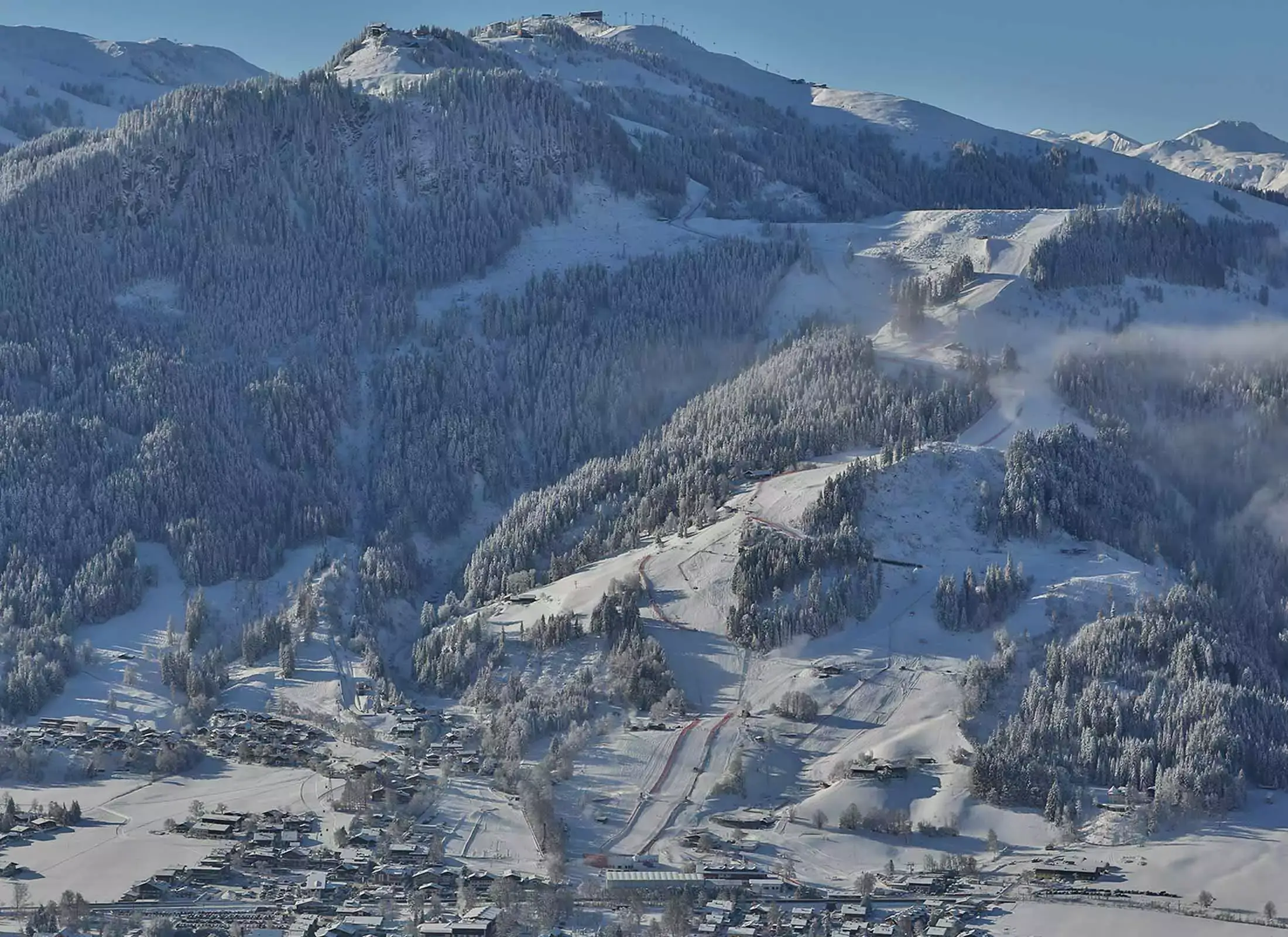
The Streif - the most dangerous downhill race in the world
· Updated: · 5 min read
The downhill race on the Streif in Kitzbühel, Austria, is famous – and notorious: on no other course in the Alpine World Cup are fame and the most serious injuries so closely intertwined as on the Hahnenkamm. What does this mean for the medical team? We spoke to the race doctor in charge, Dr Helmuth Obermoser, about the most dangerous sections, helicopter rescues and a week of chaos in Kitzbühel.
When the start gate opens at an altitude of 1,665 metres above the Adriatic Sea, two of the most thrilling minutes in the life of an alpine skier begin. And perhaps the last of their active careers: dozens of athletes have suffered such serious injuries on what is arguably the world’s most dangerous course that they have never fully recovered. Within the first three seconds, the athletes reach speeds of around 60 km/h on a 50 per cent gradient. Moments later comes the first jump, the ‘Mausefalle’, where competitors fly through the air for up to 80 metres.
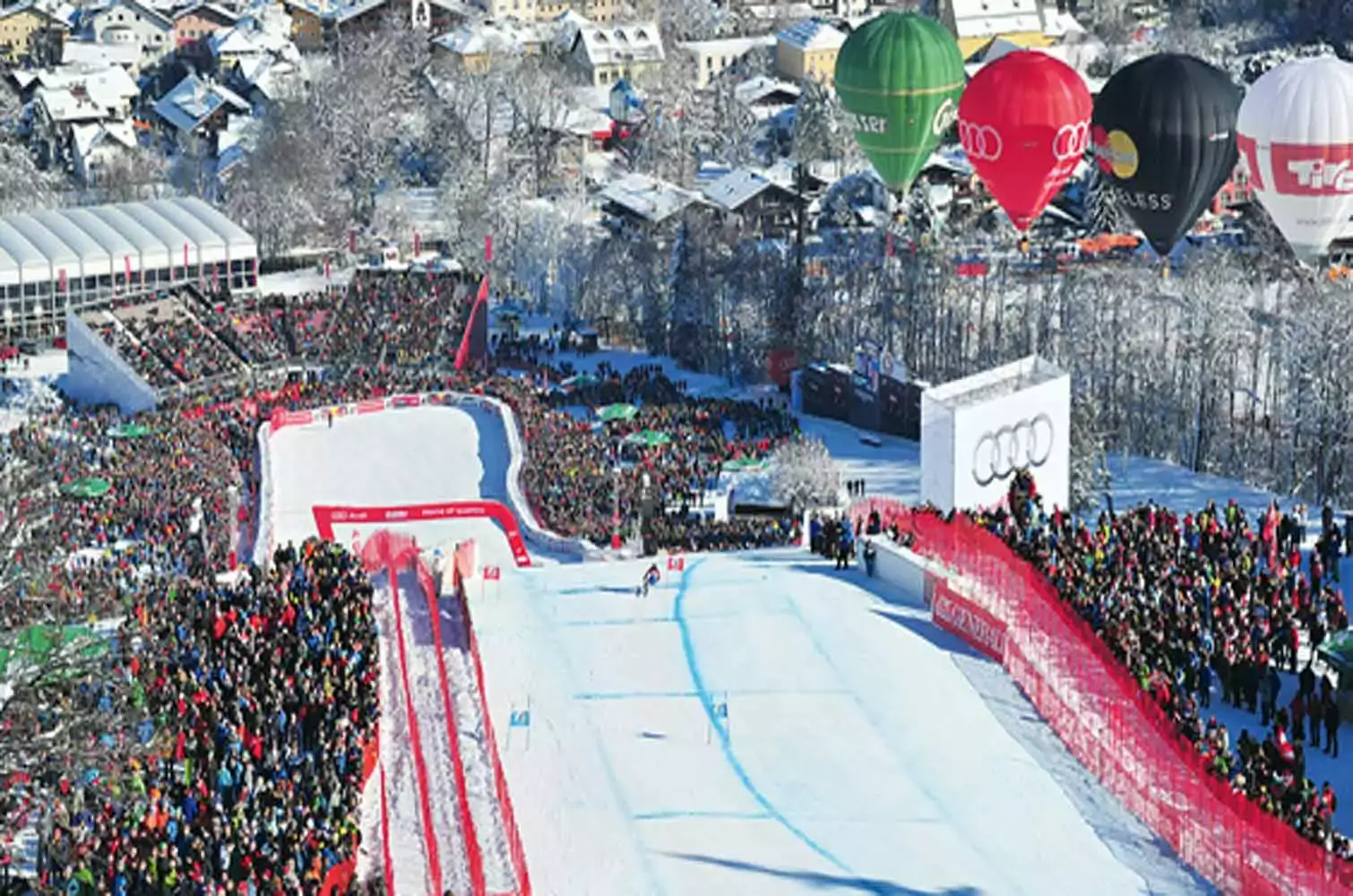
Burning thighs guaranteed
It’s a ride on a razor’s edge: over a distance of 3,312 metres and a total elevation gain of 860 metres, jumps and sharp changes of direction alternate, with forces equivalent to three times the athletes’ body weight sometimes acting upon the downhill specialists. With an average speed of 103 km/h, the best time on the Hahnenkamm is being chased; the Austrian Michael Walchhofer even reached 153 km/h in 2006. Anyone who masters the final hurdle with the finish jump despite burning thighs can be cheered on by the celebrity-packed crowd.
One thing is certain: every competitor finishes the downhill in mid-air. But the competitors aren’t always on their skis: “If athletes can’t continue on their own after a fall, they’re airlifted out by helicopter. That’s the safest way to rescue them and keeps the interruption as short as possible,” explains Dr Helmuth Obermoser. The Kitzbühel native took over the medical management from his father in 2018: “Over the past two years, we have fortunately been spared serious injuries – apart from fractures and cruciate ligament tears,” says the sports physician, summarising the past events.
The end of a career comes with it
A look back at the history of the Streif shows that crashes do not always end so “mildly”; even the online encyclopaedia Wikipedia has a separate section on “serious falls”. In 2011, the Austrian Hans Grugger lost control during a training run in the Mausefalle, crashed hard onto the piste on his back and initially lay motionless. With severe head and chest injuries, the former junior world champion was placed in an induced coma following emergency surgery; around a year later, Grugger ended his career. Two years earlier, the Swiss skier Daniel Albrecht suffered a severe traumatic brain injury during the final jump and lay in a coma for more than three and a half weeks.
To provide the athletes with medical care as quickly as possible, a total of ten doctors are stationed at the most dangerous points along the course. Together with members of the mountain rescue service, they rush to the injured competitor’s aid, equipped with crampons. “In the event of an accident resulting in serious injuries, the priority is not diagnosis and treatment, but pain relief and ensuring the patient can be transported,” explains Dr Obermoser. An emergency doctor is on board the helicopter and takes over care on the way to hospital. The staff along the route must remain extremely vigilant: “It is vital that we observe the fall. That is often the only information we have before we reach the runner.”
Prize money and celebrities
For Dr Helmuth Obermoser, preparations for the annual highlight in Kitzbühel begin months before race week. Together with his long-standing friend and colleague Dr Simon Gasteiger, with whom he shares responsibility, he must assemble the 14-strong medical team. During the event, there are daily meetings to discuss the operation; 30 minutes before the start of training or competition, everyone takes up their designated positions. In addition to the infamous downhill, the world’s best skiers also compete in the slalom and super-G on the Hahnenkamm, battling for a total of 725,000 euros in prize money – the highest on the World Tour.
Away from the course, which is frozen over with around two million litres of water, a veritable parade of celebrities takes place: among the expected 90,000 spectators, a number of celebrities will be mingling again this year, with guests such as Arnold Schwarzenegger and Mario Adorf flocking to the legendary Weißwurst party at the Stanglwirt. “Kitzbühel is a small town, so naturally everyone is looking forward to it,” says Dr Obermoser, describing the atmosphere shortly before the races. For the doctor, despite the high concentration of celebrities, the sporting aspect takes centre stage: “I’m hoping for exciting races without any serious crashes.”