Colouring your beard - is it possible?
· Updated: · 3 min read
This is how the pros create a fresh look!
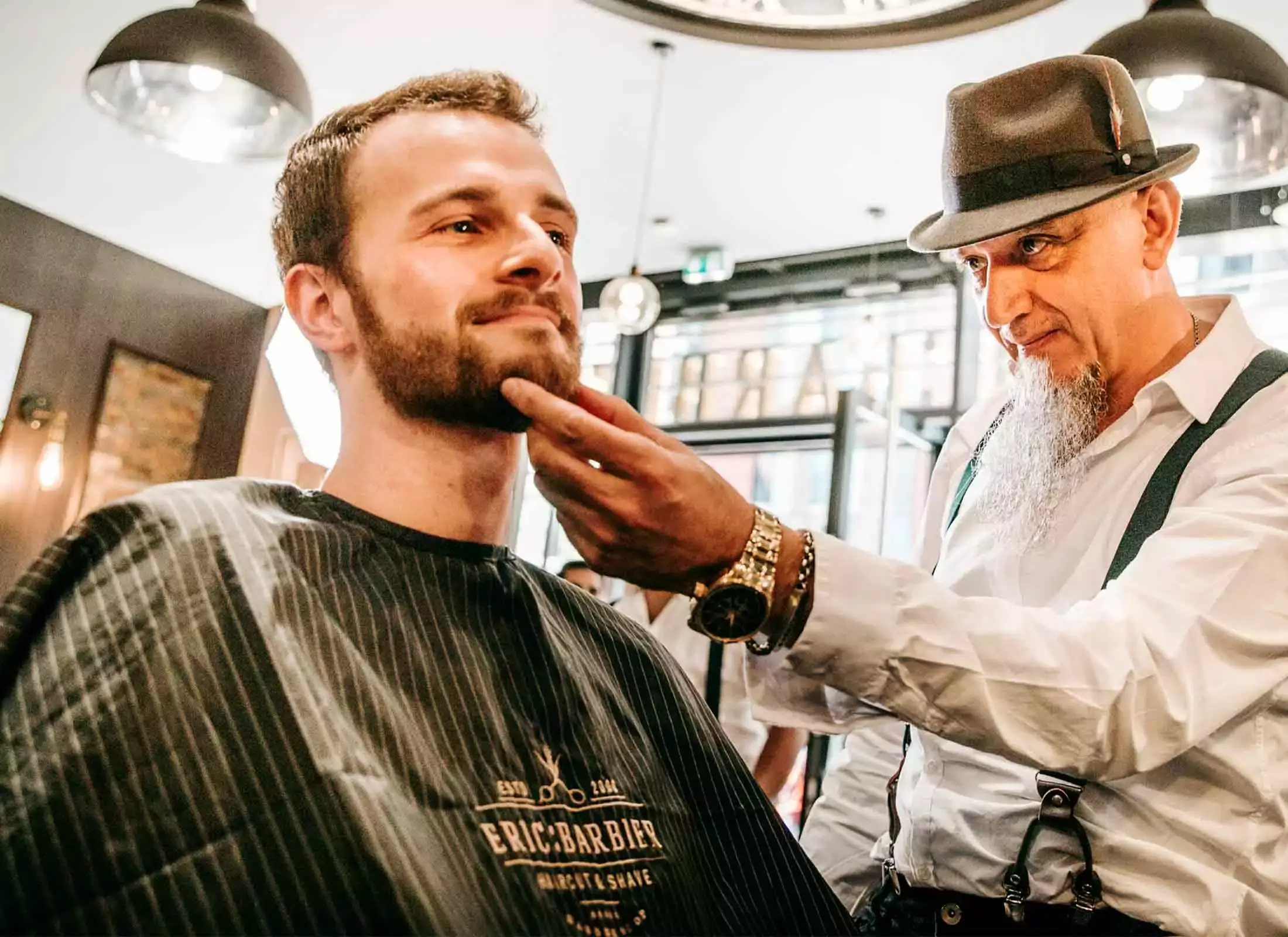
Dyeing your beard? “That sounds unusual to many men at first,” says expert Behar from Eric:Barbier. But the master barber knows that a bit of colour can freshen up your look or even save it. Here, he reveals who this treatment is suitable for, what you should bear in mind when it comes to aftercare, and what alternatives are available.

Why dye a beard?
Many men aren’t even aware of the options available when it comes to dyeing – often, compared to women, they don’t have as much experience with changing the appearance of their hair. Yet this can sometimes work wonders, for example with very patchy beard growth. Thinner patches appear denser with a dark dye, creating a visually uniform structure.
Even the first grey hairs can be concealed with a touch of colour – at least temporarily. Yet this isn’t always necessary: grey hairs in the beard have the potential to skilfully round off a distinctive look, as seen with style icons such as former footballer David Beckham or Hollywood actors Christoph Waltz and George Clooney.

On the other hand, you look less like an ‘elder statesman’ with a large amount of pheomelanin. These red-gold pigments ensure that beard hairs appear reddish – especially in sunlight. If the hair on your head is dark, the contrast is all the more striking. In this case, beard dye can be just as helpful as it is for medical reasons, such as unevenly growing strands following circular hair loss.
How do you dye a beard?
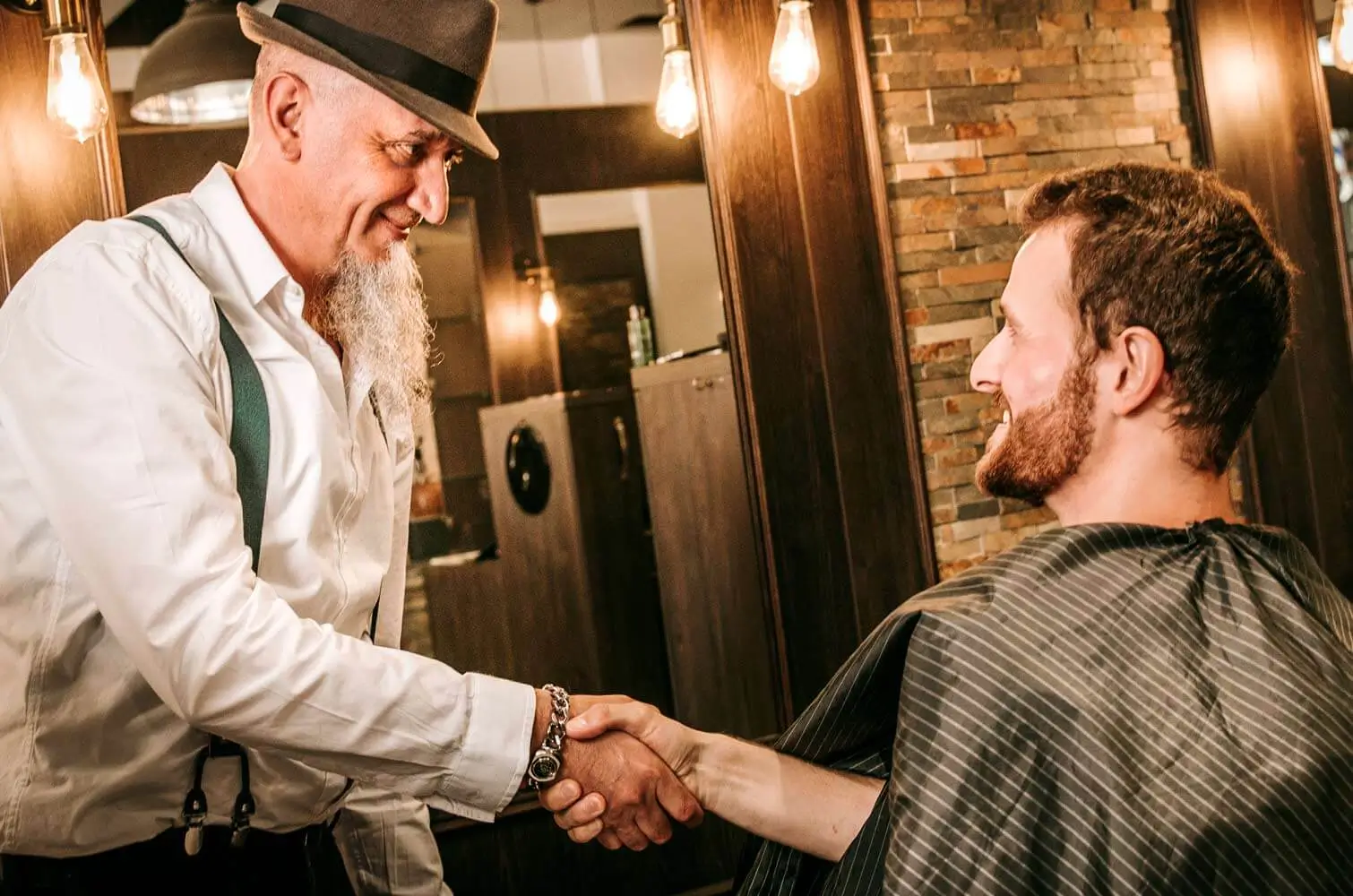
Once a customer has decided to refresh their look, we barbers must first mix the right colour. This requires particular attention, as the beard should later match the hair perfectly. We then apply the mixture – and a chemical process begins: the desired colour pigments are deposited into the hair, thereby altering the appearance of the strands. Incidentally, as the beard consists of bristle hair, a completely different mixing ratio is required compared to the hair on the head.
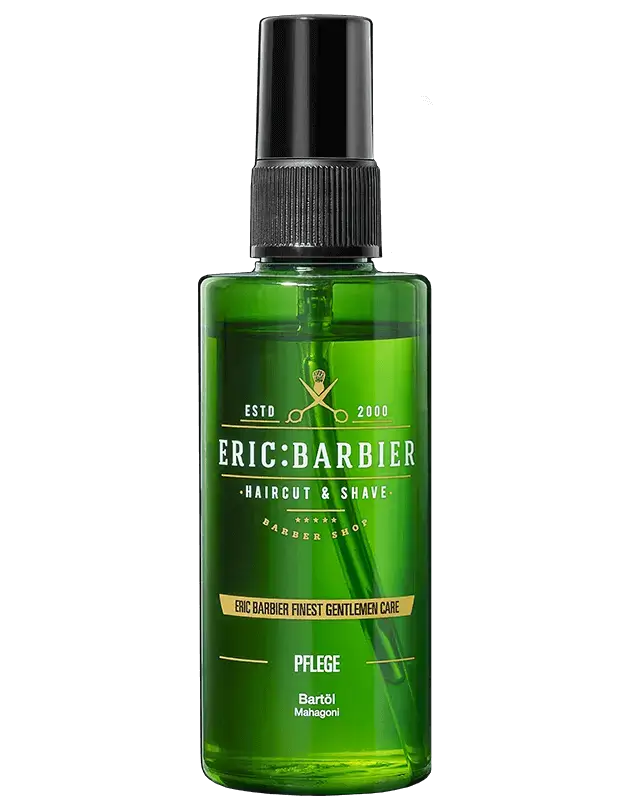
Depending on the length and growth of the beard, the colour stays fresh for at least six weeks, until regrowth becomes visible. However, I advise against dyeing it too frequently: as the process chemically opens up the hair’s structure, moisture is lost each time. This can lead to the hair becoming tangled, particularly with longer beards. You also need to pay attention to aftercare, for example by using a high-quality beard oil. For those with sensitive skin, we also apply a special protective oil before dyeing to prevent irritation.
The alternative: beard tinting
If you don’t want to put too much strain on your beard, you should consider tinting. This also allows you to completely change the colour, but the desired pigments only coat the hair and do not penetrate the core. The only downside: the effect of tinting doesn’t last as long; after around four to six weeks, the beard looks just as it did before the treatment.
Are you interested in how you can dye your beard? I’d be happy to show you all the possibilities at our salon in HafenCity. Until then, I’ll tell you here how to ensure proper beard hygiene at home.
Yours, Behar
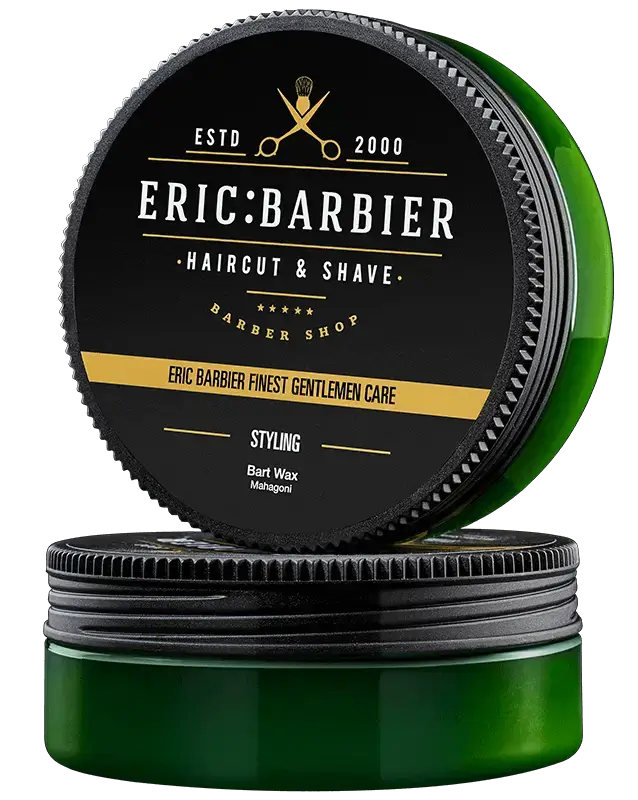
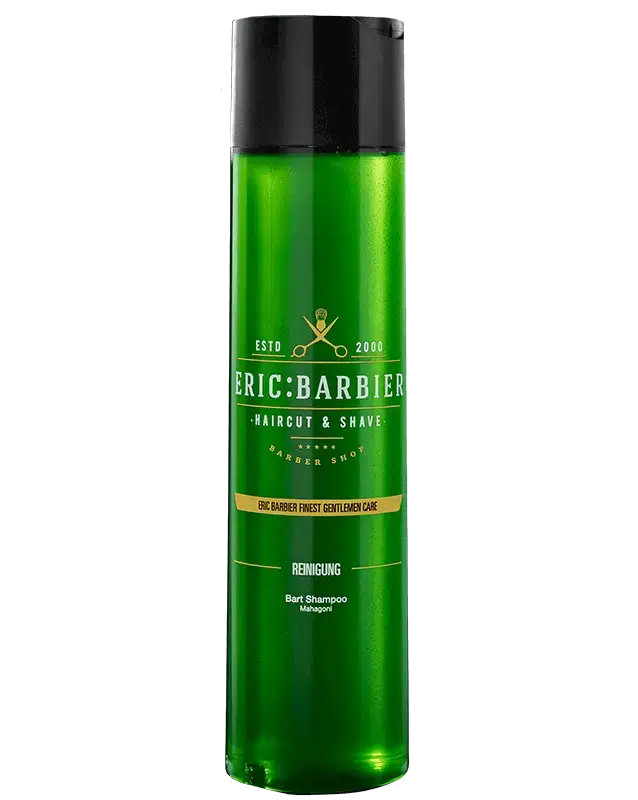
What you need for this
Personal advice at the barbershop
Our barbers in Hamburg are happy to advise you personally – whether it's beard care, shaving or the right styling.