Racism in everyday life
· Updated: · 3 min read
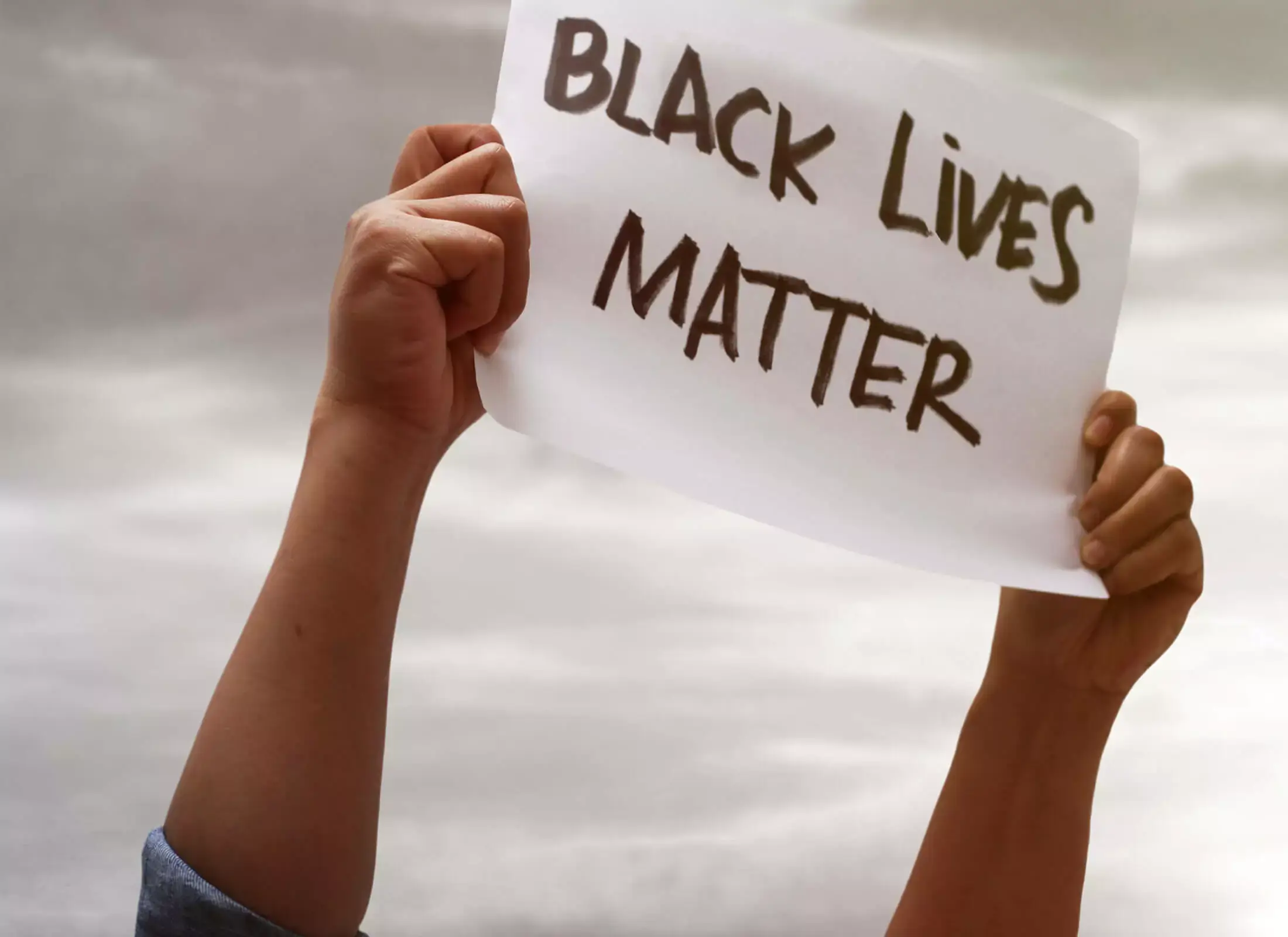
#BLACKLIVESMATTER
The Black Lives Matter movement has reached Germany: in many major cities such as Hamburg and Berlin, demonstrations are calling for equal rights for all people, regardless of their origin or skin colour. From expressions of solidarity by politicians to supportive shirt advertising in the DFB Cup semi-final, there has been a great deal of support for the protests. But is that enough? We spoke to master barber Anthony Stölting about racism in everyday life.
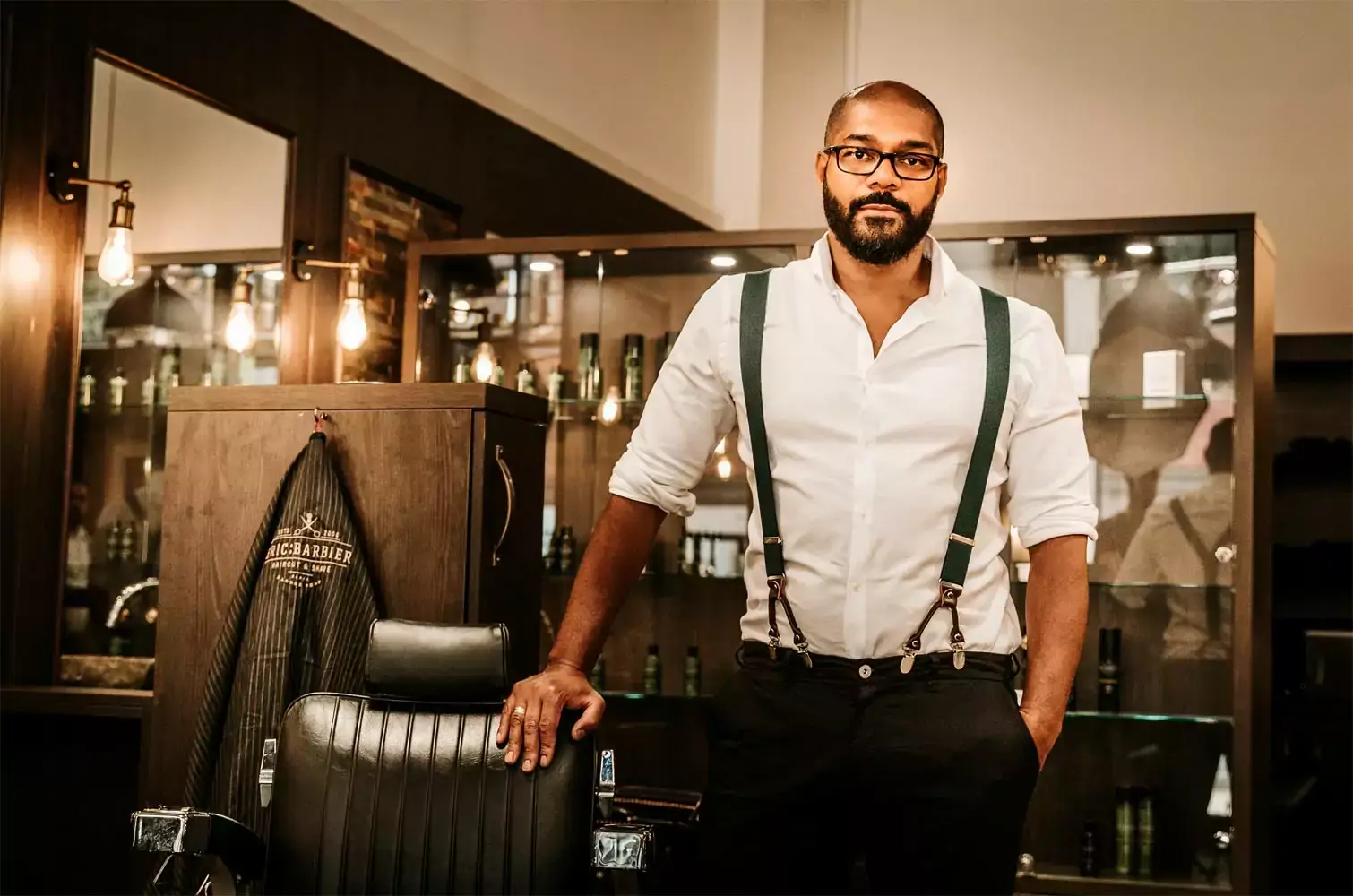
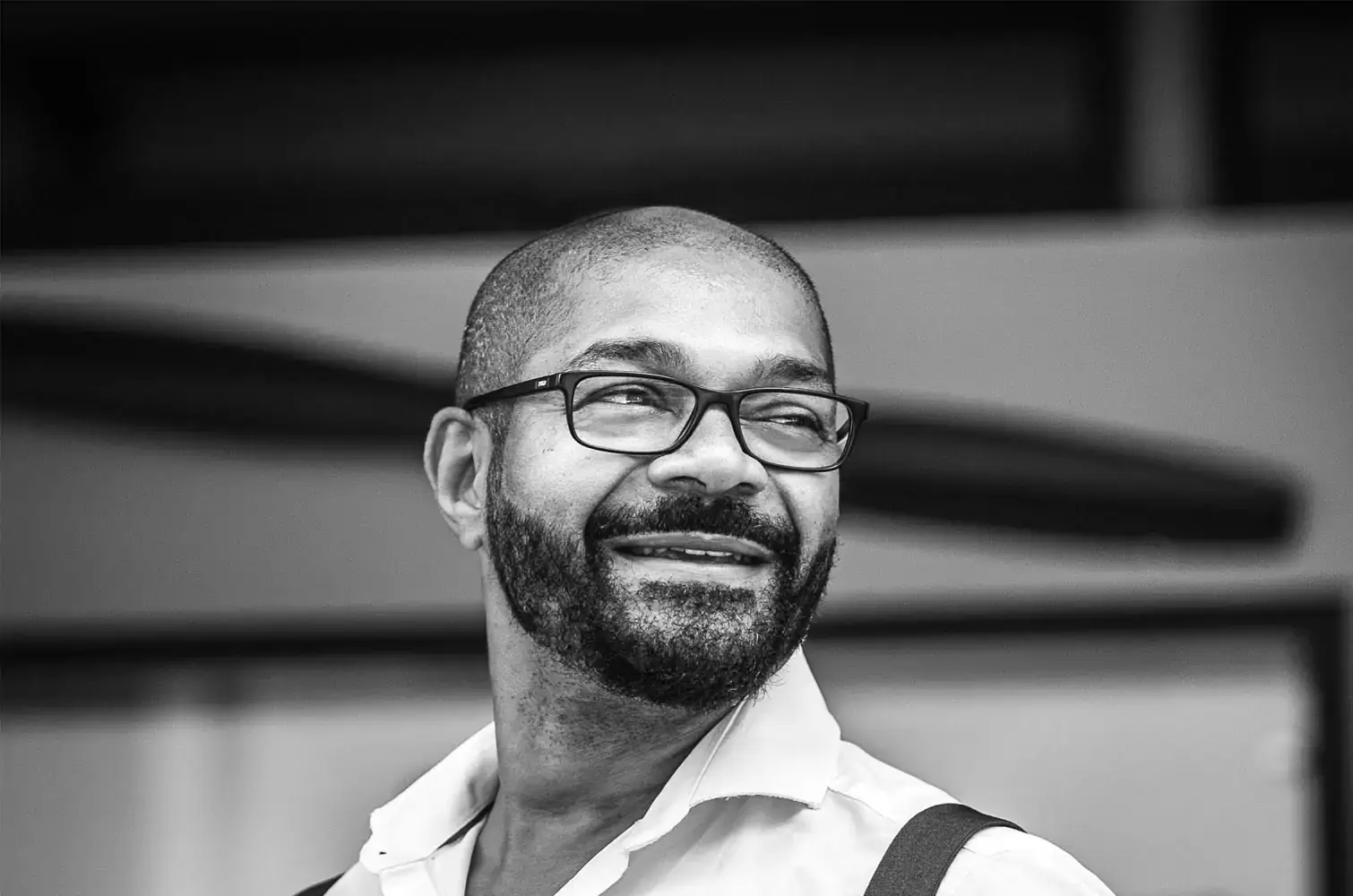
“Almost everyone in our team has experienced racism in everyday life,” reveals Anthony. The boss of Eric:Barbier is the son of an Italian father and a Ghanaian mother and grew up in Berlin and Hamburg. Even as a child, his mother drummed into him “that I have to work harder at school because I’m black – that creates pressure.” Whilst in Berlin, black residents were a common sight due to the many US occupation soldiers, in British-occupied Hamburg of the 1980s he was almost an exotic figure.
“I remember when I was about 13 and travelling on a bus, an older woman simply grabbed my hair and said she’d always wanted to know what the curls felt like,” he recalls. At the Bundeswehr medical examination – Anthony was determined to enlist in the combat swimmers – the athletic 18-year-old was deemed physically fit. But after being told that the special forces were a “close-knit unit”, Anthony never heard back again.
Racism has many faces
Even some 30 years later, people with a different skin colour and a migrant background are often marginalised or treated worse than their white neighbours. According to a study by the Friedrich Ebert Foundation, seven per cent of the population hold racist views, and almost a fifth are xenophobic. So-called racial profiling, whereby citizens are stopped by the police on the basis of their physical appearance, is by no means an isolated occurrence in this country.
Yet racism in everyday life begins with what might seem like minor incidents, as Anthony explains: “There are often comments that are meant to be funny, but they always have a certain undertone.” Moreover, prejudices are used to belittle the success of others: “When people from migrant backgrounds drive expensive cars, it’s often suggested that they must be financing them through drug deals. The idea that they are highly enterprising and economically successful doesn’t seem to be an option at all.”
Danger and hope
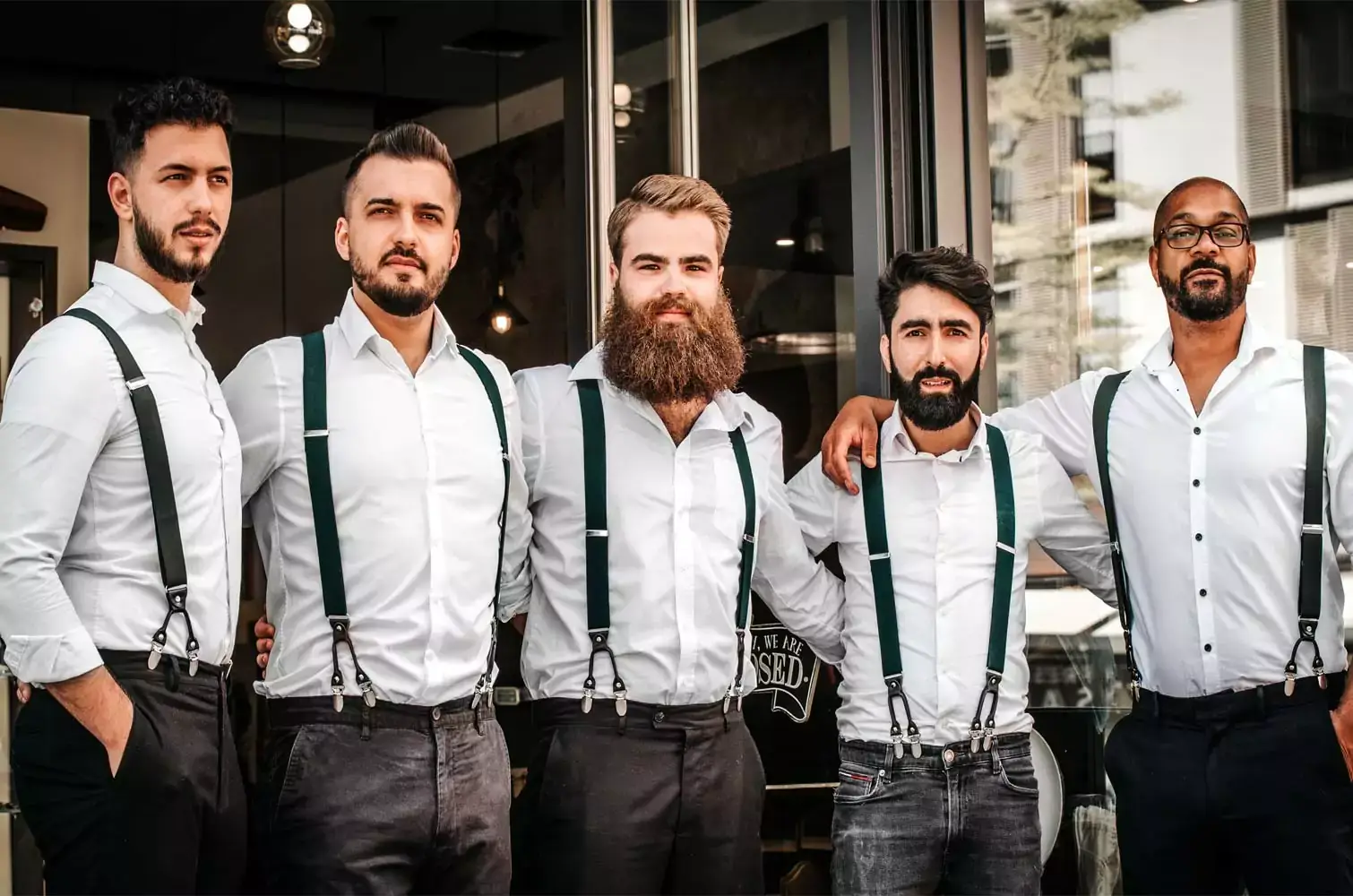
This everyday racism often has a direct impact on many areas of life for those affected. “Our colleague Mr Mahfouz has been looking for a new flat in Hamburg for two years – without success.” Anthony and his wife have also experienced landlords simply refusing to open the door during a viewing after spotting the couple in the stairwell. “The danger, in my view, is that you’re constantly being rejected and made to feel that you don’t belong. That’s how groups become marginalised and the prejudices persist.”
Racism is not a ‘white’ problem – resentment exists in all sections of society, regardless of skin colour or background. To break this cycle, the master barber is pinning his hopes on the next generations: “Our children are growing up in a neighbourhood where many nationalities come together. They have no experience of racism themselves; it would be great if they could keep it that way. I also don’t want to make them feel that they are any different from other children – that’s very important to me.”