Fine-tuning the ski jump - Part 2
· Updated: · 5 min read
Continued (click here for part one)
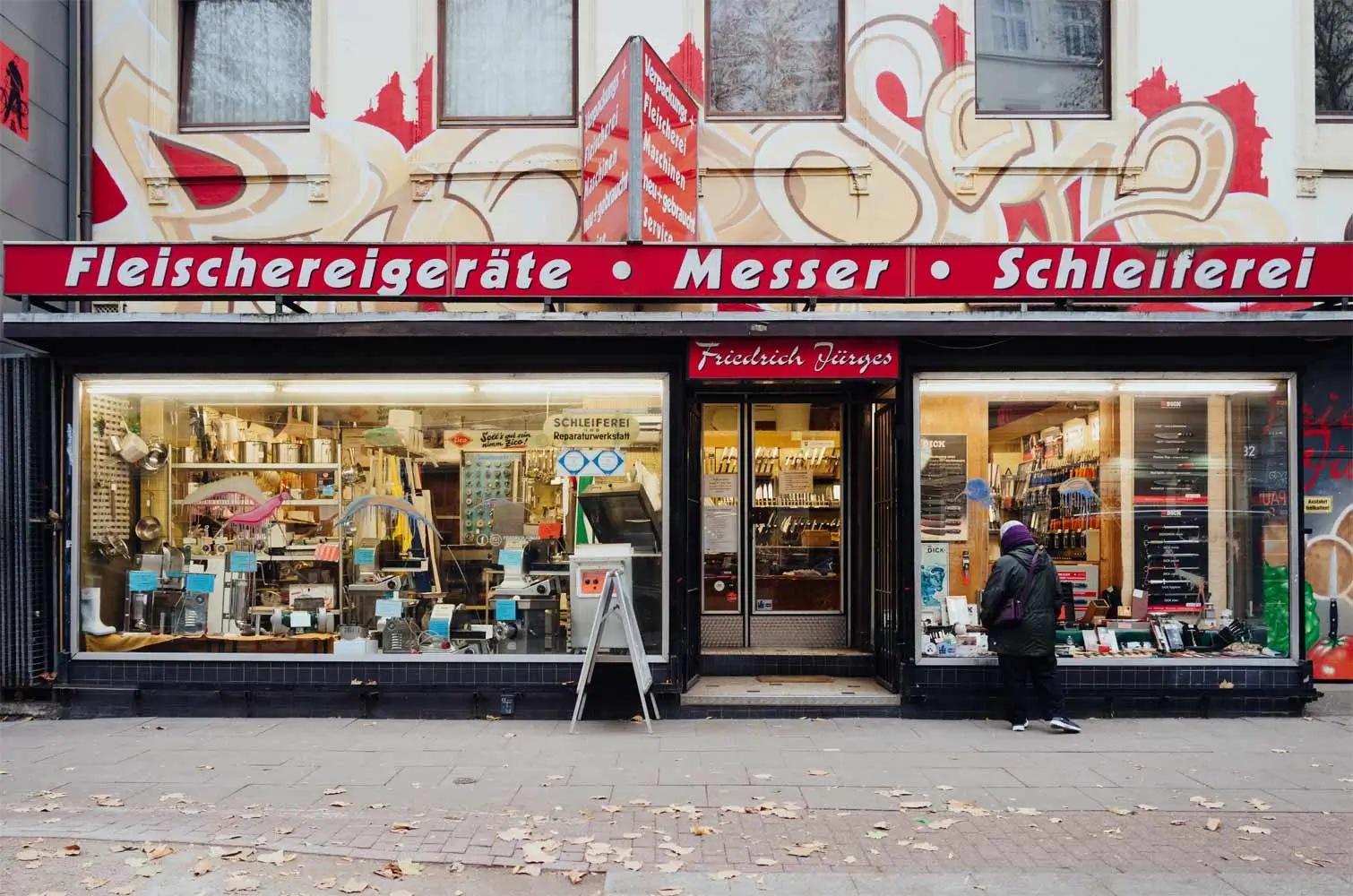
Friedrich Jürges (Friedrich Jürges IV, to be precise) has been managing director of the family business of the same name in Hamburg’s Schanzenviertel since 1986. In 2019, the company, which still offers genuine craftsmanship, celebrates its 100th anniversary. With the fall of the Iron Curtain, ‘Messer-Jürges’ expanded into the Baltic states and made an encounter that would change his life forever.
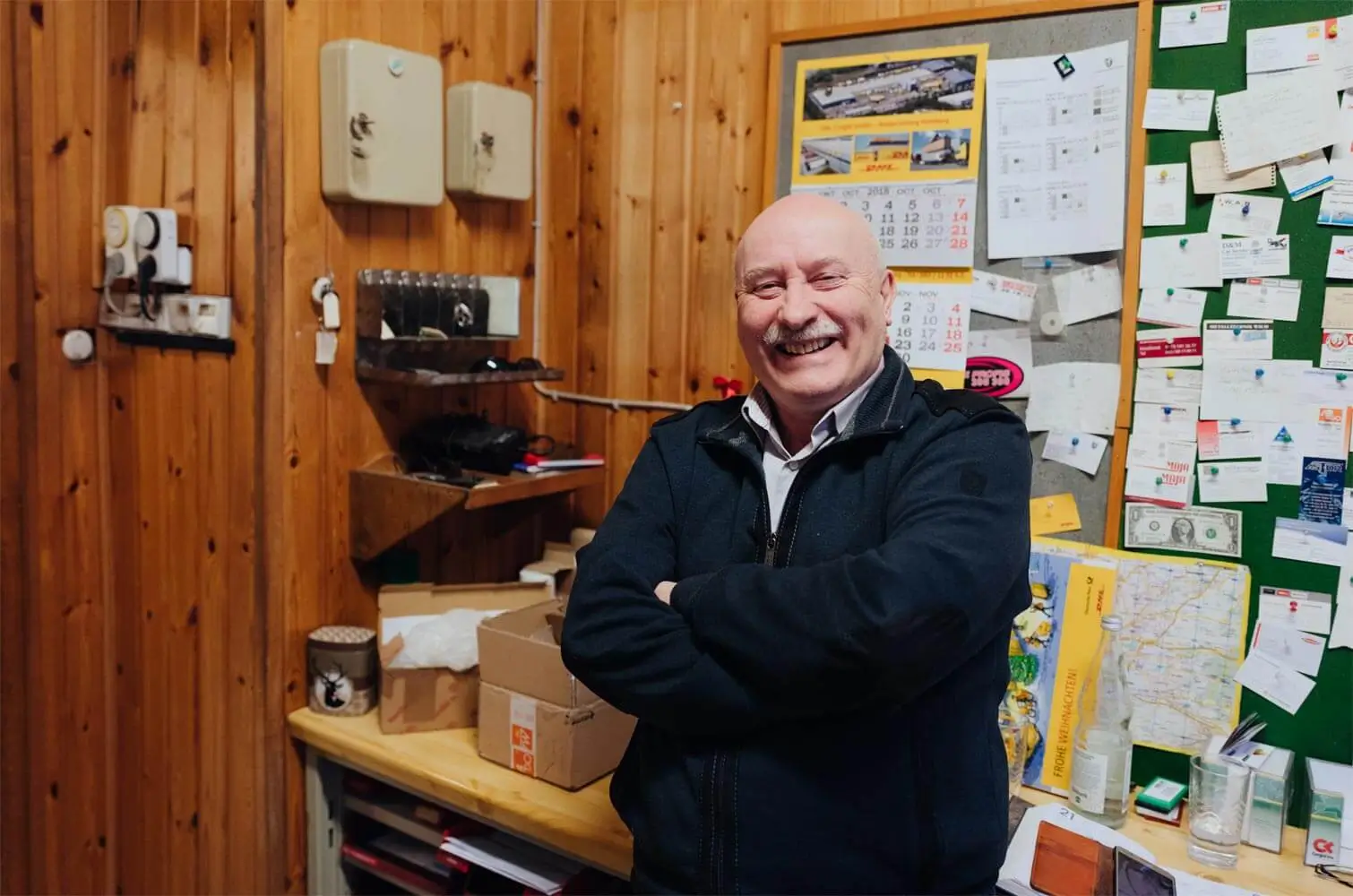
Romantic bliss in Latvian
“We came into contact with the industry in these countries through the political upheavals of the early 1990s,” reveals the trained machine fitter. Following the collapse of the Soviet Union and, with it, the large state-run enterprises, there was a high demand for machinery for small businesses. “At a trade fair in Poland in 1992, I met some Latvians who were looking for someone who could supply a complete set of equipment.” A fateful meeting: Jürges delivered – and in doing so found his now wife.
The master craftsman fell in love with a local interpreter who helped resolve the communication problems on the ground. “The first words I could say were ‘yes’ and ‘no’ – they’re pronounced exactly the same in Latvia as in Hamburg,” laughs Jürges, letting his North German dialect come through so beautifully that you feel as though you’re on a fishing boat. The Baltic region is becoming an important pillar of the company; by 2014, meat processing machines are being repaired at a branch in Latvia and sold to neighbouring countries.
Ten marks for three minutes
Three weeks in Germany, one week in Latvia – for years, that was Jürges’ routine for keeping track of things at both locations. A balancing act fraught with obstacles: “At the start, you couldn’t just ring Germany. You had to walk to the post office first and book a call. When you could later ring through directly, three minutes cost ten marks – so we made sure we didn’t spend too long on the phone.” The market in Eastern Europe is now saturated. Sanctions are hampering trade, which today is conducted via local partners.
Home is also undergoing change. The regeneration of the Schanzenviertel has attracted a new, affluent demographic. And the clientele has changed over time too: more and more amateur chefs have been coming through the door. “In the past, there was hardly a private individual who would buy a knife for 100 euros. That’s only changed in the last 15 years with all the cooking programmes on TV,” says Jürges, who himself enjoys watching the TV show “Kitchen Impossible” by his Schanzen neighbour Tim Mälzer, but prefers to leave the cooking to his wife Sandra.
“I’ve soaked it all up”
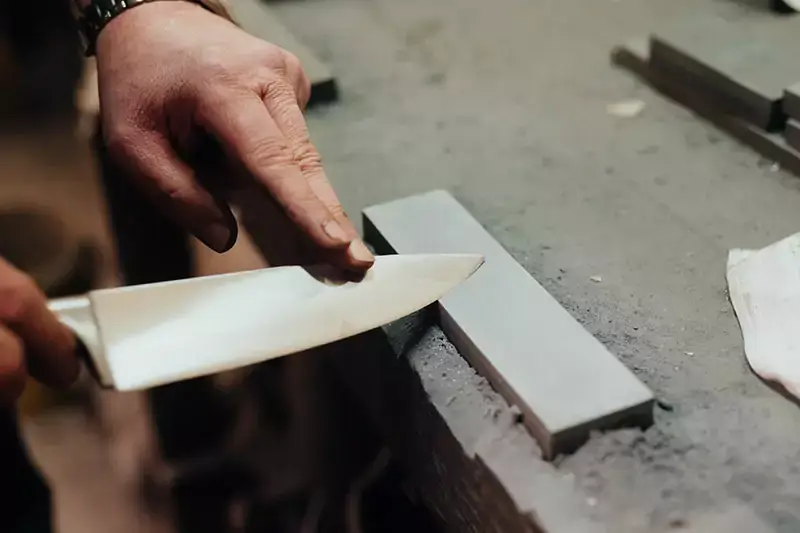
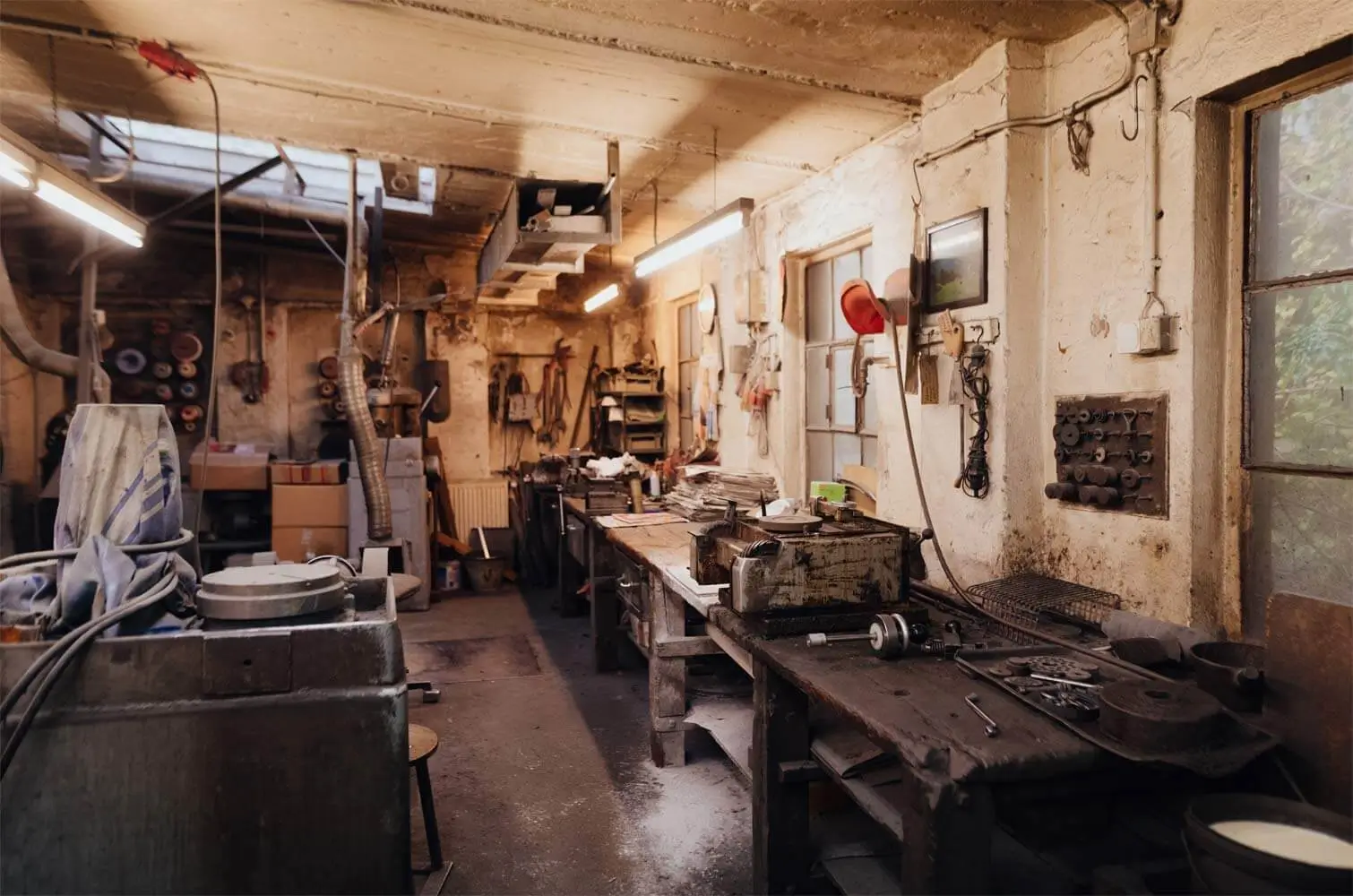
Expensive knives need to be sharpened regularly. A good-quality blade can be sharpened at least ten times; every four years, it should be overhauled by a professional – provided a sharpening steel or whetstone is used in the meantime. Full-time chefs drop by annually; even the kitchen tools of Mälzer and Cornelia Poletto have been brought up to scratch in the old workshop.
“Messer-Jürges” is the go-to place for chefs not just in Hamburg; parcels containing items for sharpening regularly arrive from further afield too. The work is usually completed within two to three days, and in emergencies, owners have their tools back in their hands within a few hours. A service that Jürges the Fourth learnt from the ground up. Even as a child, he spent a lot of time in the shop, doing his homework there after school: “That’s how I soaked it all up. And my parents had me under better control.”
An uncertain future
In the early 2000s, the business stood at a crossroads. As part of the “Sternquadrant” project – the largest urban development scheme of its time, in which 100 million euros were invested in regenerating the neighbourhood – the family business was accused of having built the workshop without a permit. “I saw the plans – our shop wasn’t even on them anymore.” But Jürges’ father found a building permit in his safe that the relevant authorities didn’t have on file. It was a lifesaver.
But: how much longer will this unique knife mecca survive? There is no Friedrich Jürges the Fifth. The two daughters – a master’s student in urban planning and a university staff member with a PhD – are not expected to carry on the business. And perhaps hope now rests on the youngest member of the family: A granddaughter of around four months old with the third name ‘Fritzi’, the feminine form of Fritz – the classic nickname for Friedrich. Yet the boss has no plans to retire just yet: ‘I enjoy the work. And I have no desire to spend the whole day at home mowing the lawn and going shopping.’ Fortunately, because ‘new’ isn’t always ‘better’.
You can also get an insight into the business and the sharpening workshop at “Messer-Jürges” in the NDR Nordstory (from 09:40).